When many people think of safety, the seat belt often comes to mind, and for good reason. In the U.S., federal rules requiring seat belts in passenger vehicles took effect in 1968, making restraints standard equipment rather than an optional add on. Over time, seat belt safety evolved beyond the belt itself into reminder systems designed to encourage better habits, including the familiar light and buzzer approach introduced in the early 1970s. Today, nearly every state requires adults to buckle up. New Hampshire, however, proudly stands alone, a fun fact that never fails to spark a conversation, especially since it also happens to be home to RBG Inc.
That progression, from basic protection to smart reminders and interlocks, mirrors what’s happened in the aerial lift world. In the aerial lift industry, safety has reached new heights. While some folks feel certain safety features slow down the work, the reality is that smart safety systems are typically designed to reduce accidents, prevent misuse, and keep crews productive by minimizing downtime and avoiding recoverable mistakes.
At RBG Inc., we are proud to offer HYRAX Aerial Lifts as part of our lineup, providing customers with innovative equipment that blends productivity with modern safety technology. Below are several examples of “smart safety” features found on modern aerial work platforms, using HYRAX Aerial Lifts as a practical example.
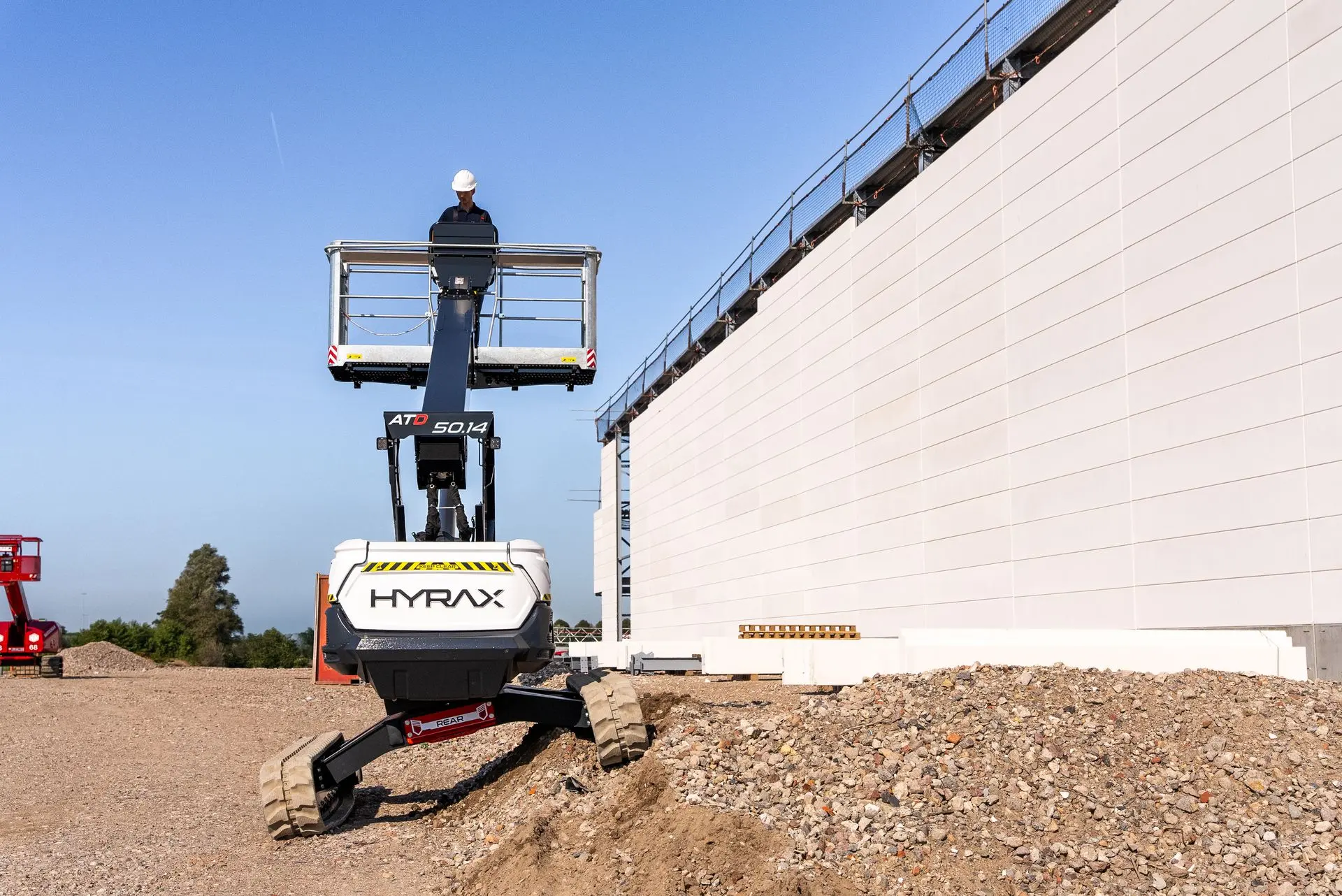
1) Automatic Bi‑Leveling Chassis (Up to 15°)
One of the most defining safety features of HYRAX lifts is the automatic bi‑leveling chassis, designed to help operators stay stable on uneven ground. HYRAX models can automatically level on slopes up to 15 degrees, reducing the risk of operating on unsafe inclines and keeping the platform steady throughout the work cycle.
This matters because job sites are rarely perfect. On rough terrain, driveways, shoulders, and graded construction areas, the ability to self‑level reduces setup time and helps eliminate “good enough” positioning that can lead to instability. HYRAX consistently highlights automatic bi‑leveling and working on inclines as core capabilities across its lineup.
In plain terms, fewer manual leveling decisions lead to more consistent stability.
2) Load and Weight Management with Platform Load Sensing
Overloading a platform is one of the most common ways to turn an otherwise safe machine into an unsafe one. Modern safety standards have evolved to address this risk directly.
In North America, updated ANSI A92 and CSA B354 requirements drove widespread adoption of load sensing systems, often referred to as overload or platform load sense systems. These systems are designed to monitor platform load and restrict certain functions if the load exceeds the rated capacity, typically paired with visual and audible warnings.
HYRAX models are built around clearly defined platform capacities, reaching up to 1,000 pounds on models such as the 50.45. This clarity plays an important role in safe planning for personnel, tools, and materials. Operators are also provided with a digital on‑screen load display, effectively functioning as an integrated scale that shows the current platform weight in real time.
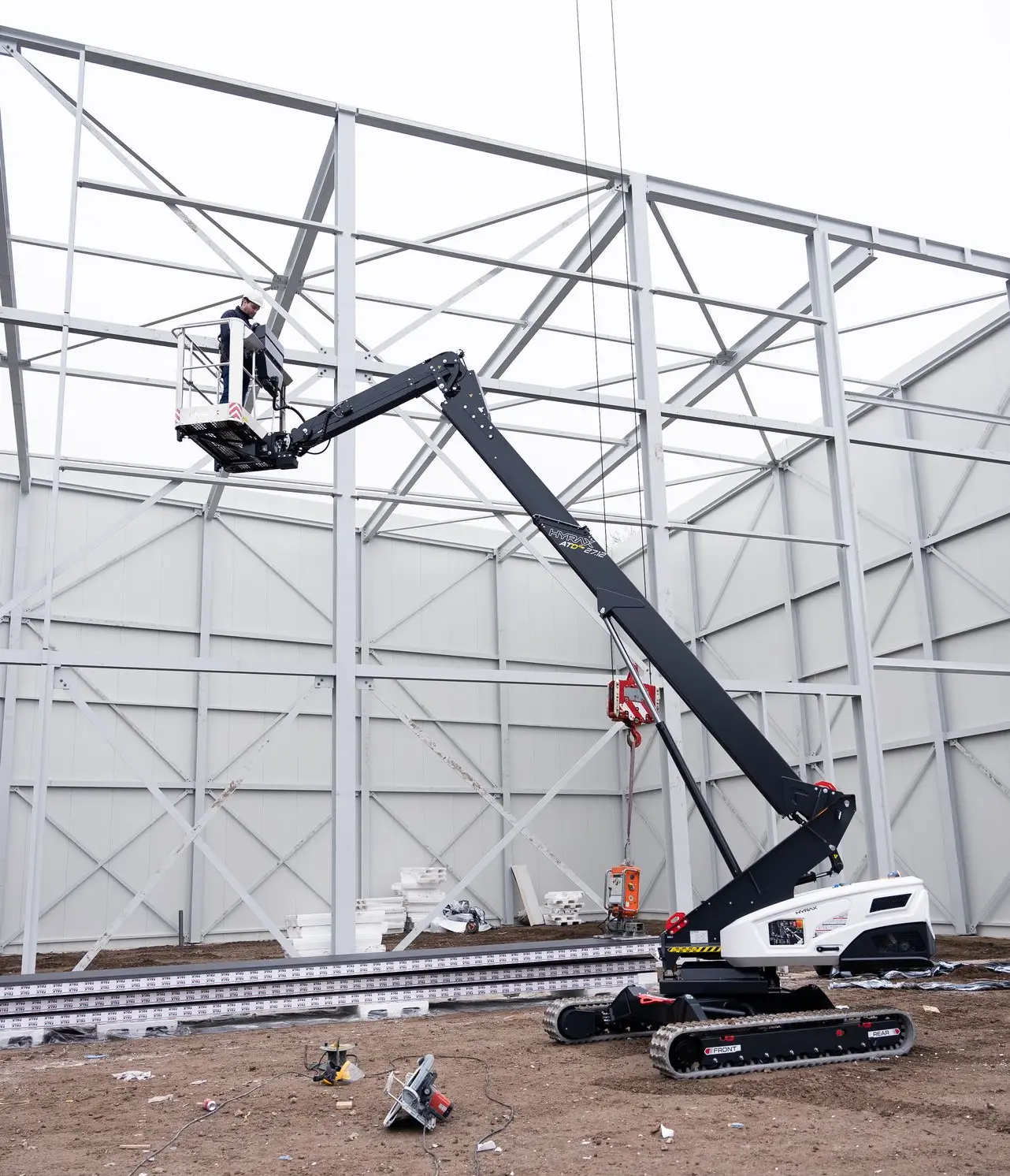
3) Drive‑at‑Height Safety Control Logic (Speed Limited)
Repositioning is a reality on many jobs, especially when productivity matters. HYRAX highlights drive‑at‑height capability as a core feature, eliminating the need for support outriggers while still prioritizing control and stability.
To support safe movement, travel speed is significantly limited when the lift is elevated. For example, certain configurations allow driving at height up to 41 feet at a controlled “safe speed” of roughly 0.25 mph, depending on load and position.
In practice, speed limiting at height reduces sudden inputs, discourages aggressive repositioning, and encourages smoother, more deliberate movement. It’s similar in concept to how modern vehicles use speed‑sensitive systems to reduce risky behavior without relying solely on operator judgment.
4) Hydraulic Safety Valves and Fail‑Safe Circuitry
Aerial lifts rely on hydraulic power, so safe design includes safeguards that prevent uncontrolled movement if something goes wrong. Across the industry, ANSI and CSA compliance expectations include features such as controlled descent capability, redundancy, and protection against certain failure modes.
While the exact components vary by manufacturer, the goal is consistent: prevent sudden descent, preserve controlled movement, and maintain safe recovery paths. HYRAX’s emphasis on robust construction and standards compliance supports the presence of these fundamental safety systems.
5) Emergency Lowering and Ground Controls
Every serious aerial work platform needs a reliable way to bring an elevated operator down if primary controls become unavailable. That’s why industry standards and best practices emphasize emergency lowering and ground control functionality.
HYRAX units sold into North America are commonly represented as ANSI A92 and CSA B354 compliant, and those standards require emergency provisions that support safe and controlled recovery in the event of power or control interruptions.
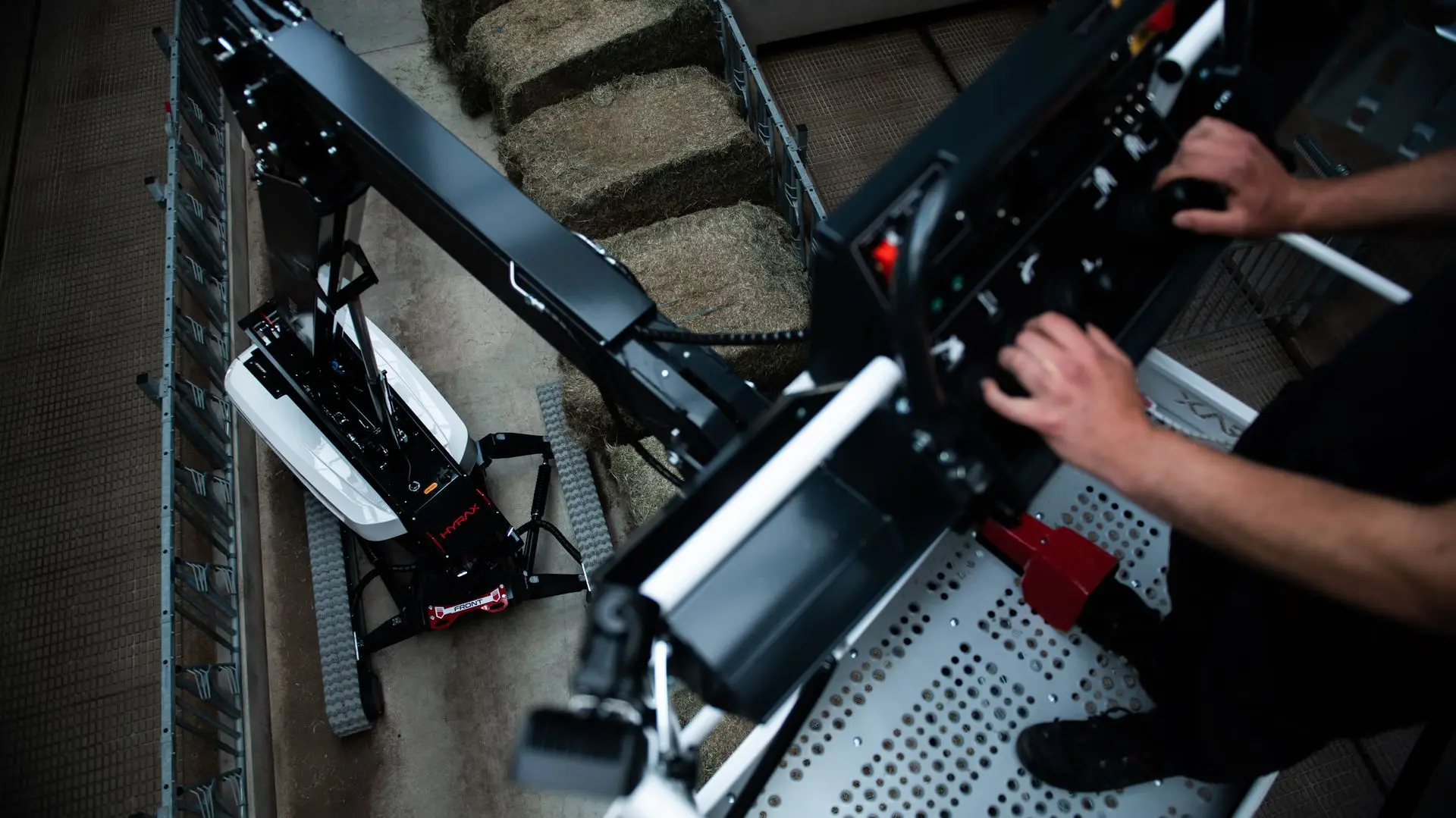
6) Control System Interlocks (Preventing Unsafe Sequences)
Smart safety often means the machine doesn’t just warn the operator, it actively prevents unsafe actions.
Modern aerial platforms use control system interlocks to restrict certain movements outside approved operating parameters. These interlocks help eliminate risky “operator judgment calls” in situations where the consequences can be severe. The same standards environment that introduced load sensing also reinforced the idea that machines should guide safe operation through built‑in logic, not just warning labels.
HYRAX’s automatic leveling and drive‑at‑height control concepts are good examples of safety being designed directly into the operating sequence.
The Takeaway: Smart Safety Protects People and Productivity
Seat belts didn’t become effective because drivers changed overnight. They became effective because safety evolved into systems that combined equipment requirements, reminders, rules, and habit‑building design.
Modern aerial work platforms are following the same path. Automatic leveling, load sensing, speed limiting at height, emergency lowering, and control interlocks are not “extra features.” They are the job‑site equivalent of the seat belt reminder chime, built to reduce risk, prevent common mistakes, and keep crews working efficiently.
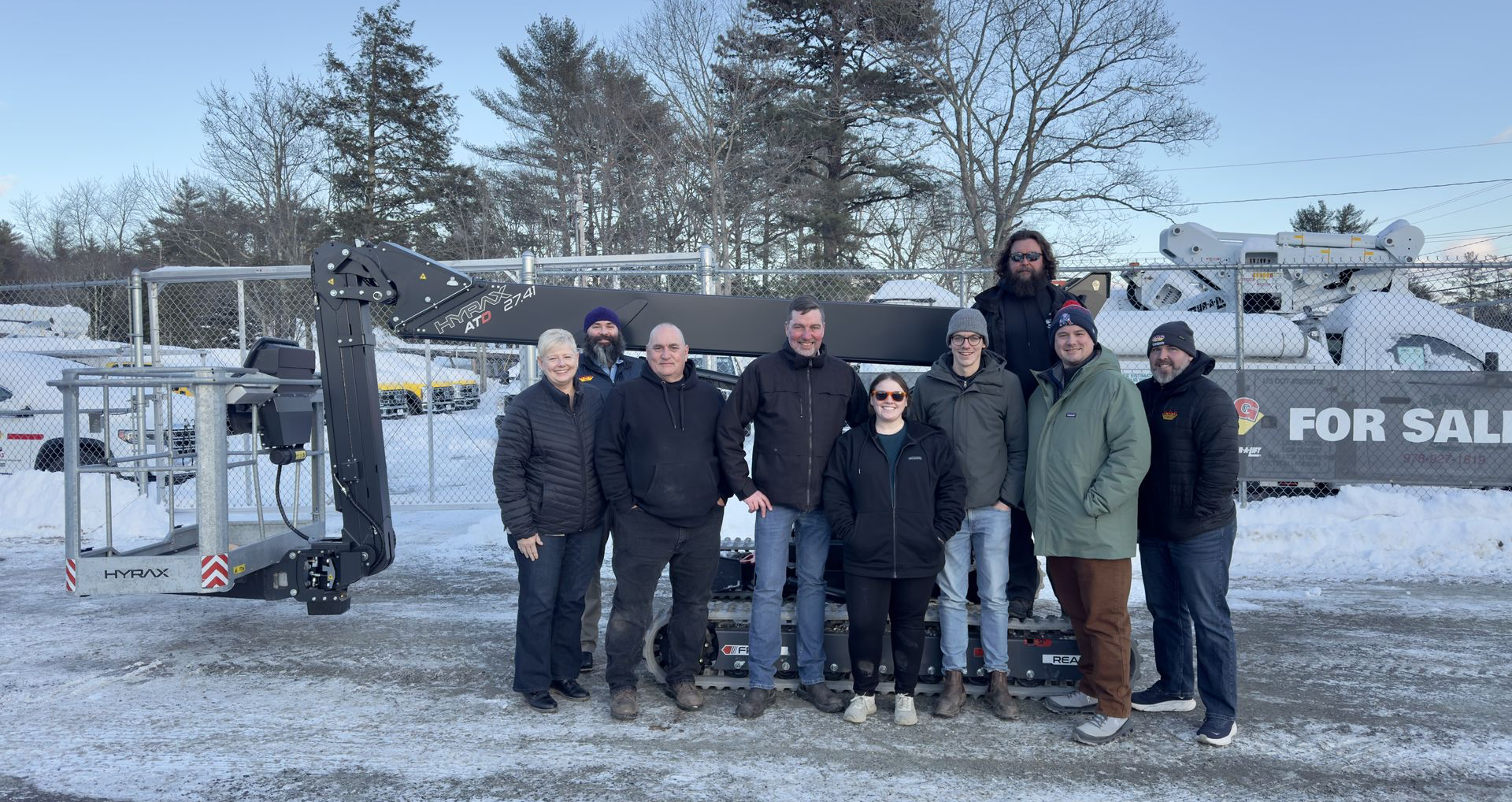
At RBG Inc., we are excited to announce our new partnership with HYRAX Aerial Lifts. Recently, the HYRAX team visited our shop for the first time to kick off our relationship and give us a hands on overview of the equipment, its core features, and the safety focused systems built into every machine. That visit marked the start of how we plan to support customers moving forward, with not just great equipment, but the product knowledge and training that help crews use it safely and confidently.